The Hidden Threat Beneath Your Feet
Concrete is renowned for its immense compressive strength. It can support the weight of heavy machinery, loaded forklifts, and massive commercial structures—but only if the soil beneath it is stable.
In Colorado, our drastic freeze-thaw cycles, expansive soils, and heavy spring runoffs create the perfect storm for soil erosion. When the dirt and aggregate base beneath a concrete slab washes away or settles, it creates an empty pocket of air or water known as a subsurface void.
Because concrete is rigid, the slab will bridge over the void for a while, making the surface look perfectly normal. But eventually, the unsupported concrete will crack, sink, or completely collapse.
What Causes Subsurface Voids?
Voids don’t just appear overnight. They are usually the result of long-term, hidden issues, including:
- Water Washout: Poor drainage, leaking downspouts, or broken underground sprinkler lines can slowly wash away the soil base.
- Leaking Underground Pipes: A cracked municipal water main or private sewer lateral can erode massive amounts of dirt around the pipe, creating dangerous sinkholes.
- Poor Soil Compaction: If the soil wasn’t properly compacted before the concrete was poured during construction, it will naturally settle over time.
- Freeze-Thaw Cycles: Water expands when it freezes and contracts when it thaws. In Colorado, this continuous cycle shifts the soil and creates gaps.
The Dangers of Ignoring Voids
Allowing a void to grow unchecked poses severe risks to your property and your personnel:
- Commercial Liability: In a warehouse setting, a forklift driving over a hidden void can cause the slab to instantly punch through, leading to vehicle rollovers and severe worker injuries.
- Catastrophic Structural Damage: If voids form near load-bearing walls or foundation footings, the entire building can experience uneven settling, resulting in cracked drywall, jammed doors, and compromised structural integrity.
- Expensive Replacements: Catching a void early allows you to stabilize the slab using cost-effective methods like polyurethane foam injection. If the slab collapses, you have to pay to demolish, remove, and completely repour the concrete.
How GPR “Sees” Empty Space
You can’t fix a void if you don’t know it’s there. That is where Ground Penetrating Radar (GPR) becomes an invaluable tool for property managers and structural engineers.
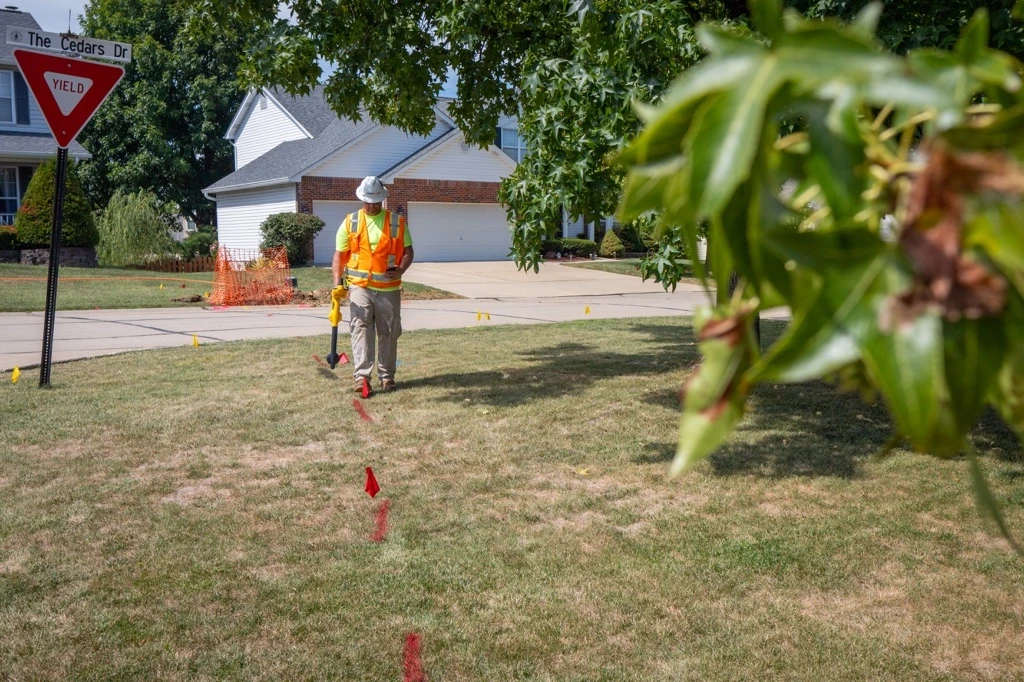
At JLP Tech, we use advanced GPR equipment to scan the surface of the concrete. The radar waves easily pass through the solid slab. When the waves hit a pocket of air or water (a void), the sudden change in material density causes the signal to bounce back strongly to our receiver.
By analyzing these reflections, our certified technicians can accurately map out the exact location, size, and boundaries of the hidden void without drilling a single test hole.
Proactive Property Maintenance with JLP Tech
If you notice hollow-sounding concrete, unexplained surface cracking, or suspect a leaking underground pipe has compromised your soil, do not wait for the slab to fail.
Contact JLP Tech for expert GPR void detection services across Colorado. We provide the precise, non-destructive data you need to target your concrete lifting and repair efforts, saving you time, money, and massive liability.